
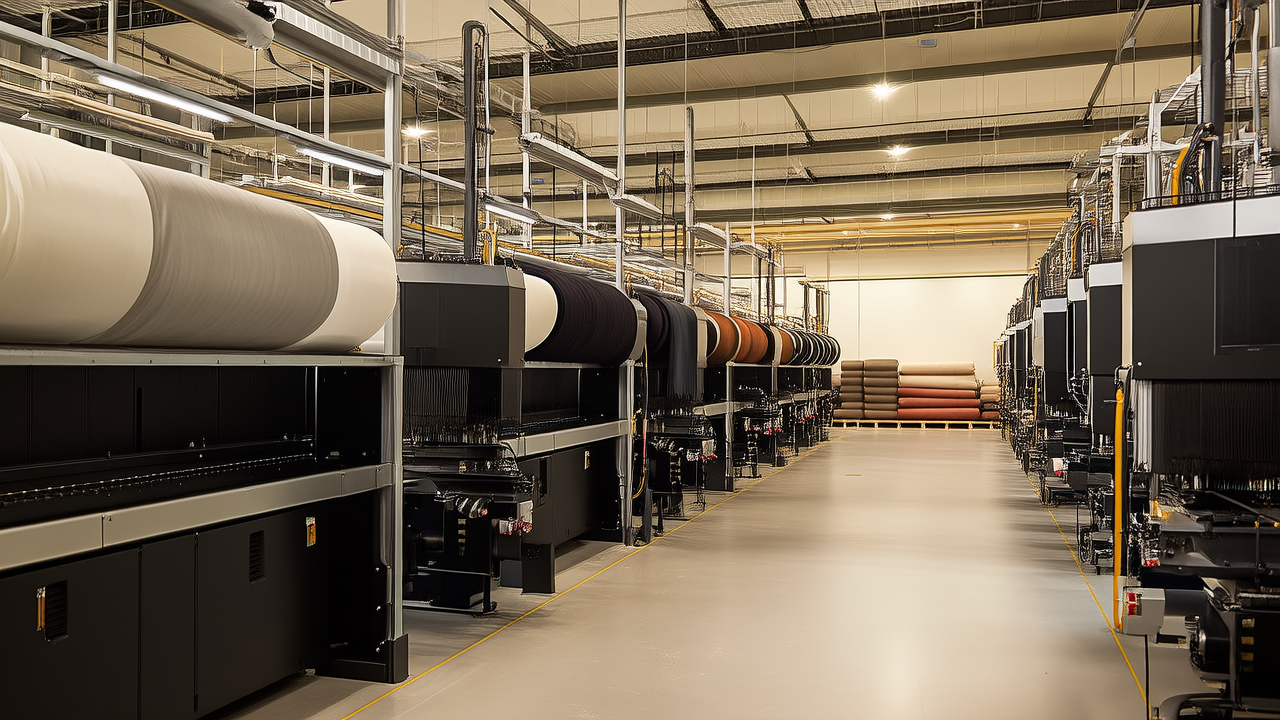
Italian textile machinery manufacturers entered 2026 with a total order contraction, but the internal divergence tells a more nuanced story. ACIMIT data shows the Q1 order index fell 5% year-on-year, with overseas orders dropping 7% while domestic orders surged 21%.
Structural Shifts Behind the Divergence
The export decline was not surprising. Over the past 18 months, traditional buyers like Turkey, India, and Bangladesh have tightened capital spending due to currency depreciation and weak end-demand. The 7% overseas drop implies Italy is losing market share in Asia and North Africa to Chinese and German competitors.
Italy's 21% domestic growth follows a different logic. Local textile firms, mostly high-end fabric and luxury garment suppliers, typically replace equipment every 5-8 years. This rebound likely stems from post-2024 energy cost stabilization and EU green subsidies for energy-efficient machinery replacement. For Chinese manufacturers, it signals stable demand for automatic winders and waterless dyeing machines.
## Implications for China's Textile Machinery Sector
This order structure shift directly impacts China's export landscape. In 2025, China exported approximately $5.8 billion in textile machinery, with over 40% going to India, Vietnam, and Bangladesh. As Italian exports fall 7%, Chinese products gain price advantages in Southeast Asia—but Italian firms are locking in high-end clients through digital service bundling.
More critically, Italy's 21% domestic growth concentrates on smart weaving and eco-friendly finishing equipment, areas where Chinese firms have been advancing. If Italian producers upgrade through this cycle, they will create long-term pressure on China's mid-to-high-end machinery exports.