
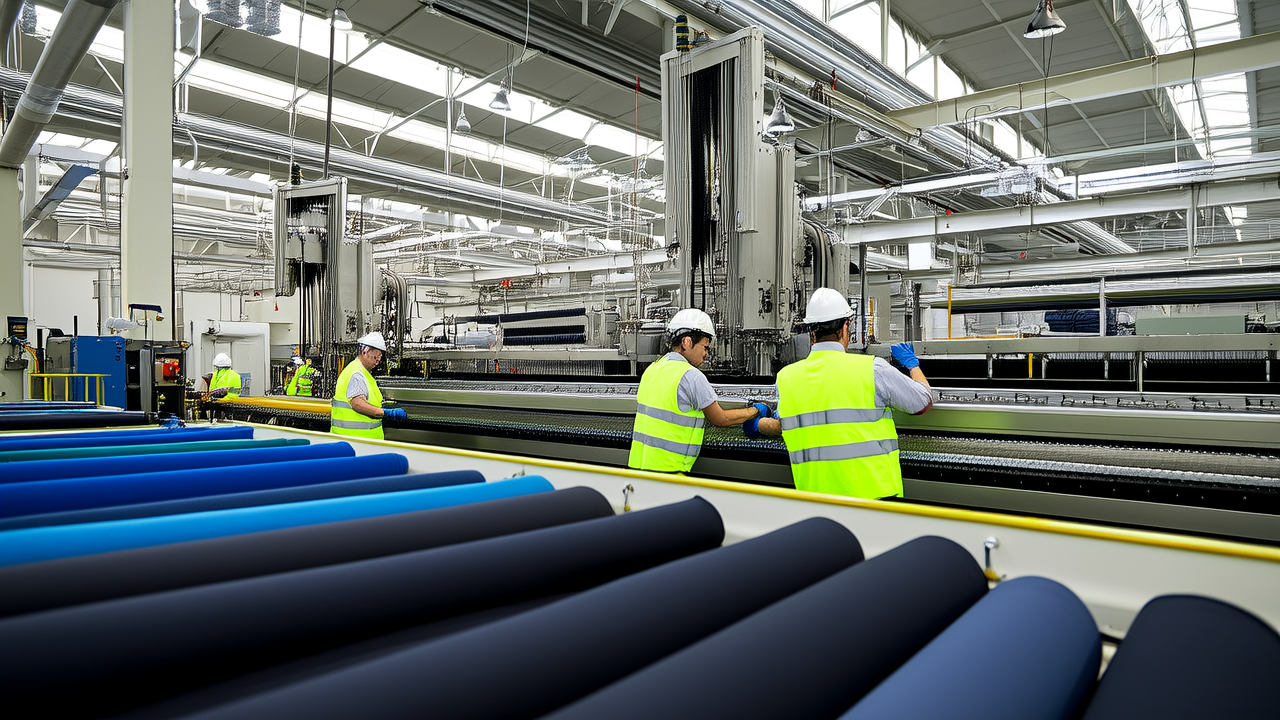
The voice of U.S. textile policy is changing hands. The National Council of Textile Organizations (NCTO) has appointed Amy Bircher Bruyn, CEO and founder of MMI Textiles, as its new chair, with Jay Todd as vice chair. This leadership shift comes at a critical juncture—post-election trade policy recalibration and ongoing global supply chain restructuring. As one of the most influential trade associations for U.S. textile manufacturing, NCTO's chair selection often signals the industry's collective stance on future policy direction.
The Logic Behind the Leadership Change
Bruyn's MMI Textiles is not a traditional commodity fabric producer but specializes in technical textiles, engineered fabrics, and specialty yarns. This suggests NCTO's lobbying focus may pivot from protecting mass-market polyester and cotton capacity to supporting high-value, technology-intensive segments. Jay Todd's appointment strengthens the association's hands-on experience in spinning and weaving, creating a balance between "technology innovators" and "manufacturing practitioners." This is a clear signal amid rising labor costs and accelerating automation investments in the U.S. textile sector.
Potential Impact on U.S.-China Textile Trade
Bruyn's immediate agenda likely includes AGOA renewal negotiations and Section 301 tariff reviews on Chinese textiles. Given her corporate background, NCTO may push more aggressively for tariff exemptions on "non-sensitive" categories while maintaining high barriers for strategic applications like defense and medical textiles. For Chinese textile exporters, this means a more nuanced market access landscape in the U.S.: bulk commodity fabrics may face continued pressure, but specialty fabrics for automotive interiors, filtration media, and protective gear could see increased orders due to insufficient domestic capacity. NCTO's technocratic tilt may also accelerate U.S. demand for high-end textile machinery, benefiting Chinese equipment exporters.
Industry Implications: From Protection to Upgrading
This leadership change highlights a deep contradiction within the U.S. textile industry: traditional cotton and polyester producers still rely on trade protection, while emerging players like MMI prioritize R&D and supply chain resilience. Bruyn's election suggests the latter group now dominates the association's agenda. For global supply chains, this could mean a "two-way flow": low-end orders shift further to Southeast Asia and South Asia, while the U.S. focuses on R&D, sampling, and small-batch high-value production. Chinese textile firms should reassess their export strategies—instead of price wars on standard items, building technical barriers in niche segments offers better long-term returns.