
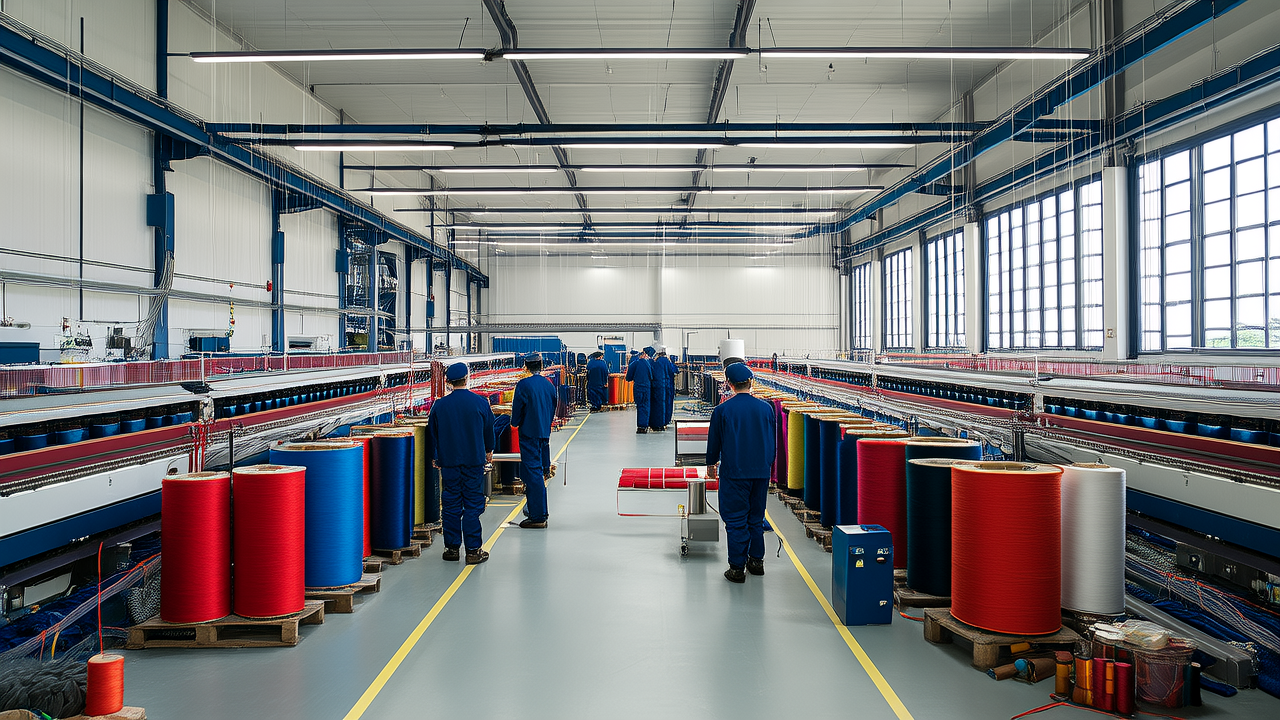
The Italian textile machinery industry, as reported by the industry association ACIMIT, saw its order index contract by 5% in the first quarter of 2026 compared to the same period last year. While export orders dropped by 7%, domestic orders surged by 21%. This split reveals a shifting investment landscape in the global textile chain.
Export Decline: Inventory Adjustment and Caution
The 7% decline in overseas orders is not an isolated event. Since the second half of 2025, major importing countries such as Turkey, India, and Bangladesh have slowed their equipment renewal pace. Three factors are at play: first, Western brands are still working through inventory overhangs, making them cautious about expanding capacity; second, currency depreciation in some emerging markets has made dollar-denominated machinery imports more expensive, dampening purchase intentions; third, the rising competitiveness of Chinese high-end textile machinery is diverting some mid-range orders that previously went to Italy.
For Chinese fabric mills, the silver lining is that delivery lead times for Italian machinery may shorten as suppliers prioritize Chinese orders to compensate for weaker demand elsewhere. However, price negotiation room may also shrink as Italian manufacturers seek to maintain margins on fewer units.
Domestic Growth of 21%: The Policy Engine
The 21% jump in Italian domestic orders stands in stark contrast to the export slump. The key driver is Italy's extended "Industry 4.0" tax credit program, which allows companies to deduct 40% of investments in Industry 4.0-compliant equipment (including smart looms, digital dyeing machines, etc.) from their corporate tax liability through the end of 2026.
This has spurred small and medium-sized mills in traditional textile clusters like Biella and Prato to accelerate equipment upgrades. The orders are concentrated in high-speed rapier looms, automatic winding machines, and digital printing systems—equipment that is labor-saving, energy-efficient, and networkable. For Chinese buyers, this signals that Italian manufacturers have a stable domestic order book, which may limit their willingness to offer deep discounts on export deals.
Structural Shift: High-End Holds, Mid-Range Falters
Although ACIMIT does not break down orders by product type, company-level data suggests that high-value, highly automated equipment (such as automatic warp tying machines and rotor spinning machines) has held up better, while standard machinery (like ring spinning frames and standard air-jet looms) has seen sharper declines.
This reflects a structural transformation among end-users. Rising labor costs push factories to prioritize "unmanned" equipment, while the growing demand for quick-response, customized orders requires greater flexibility in product changeovers. Italian manufacturers maintain their premium in high-end automation, but the mid-range market is increasingly contested.