
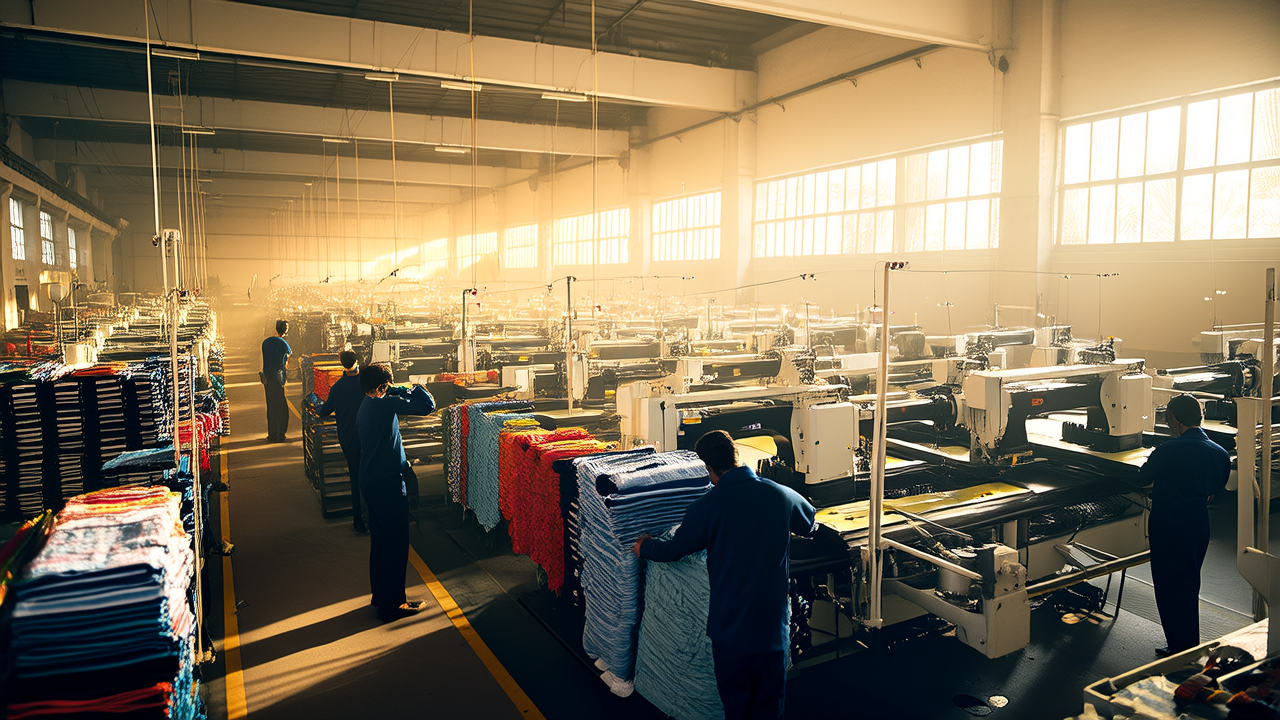
Recent volatility in the international crude oil market has transmitted real shockwaves through Southeast Asia's textile supply chain via rising logistics costs. The Cambodian garment industry reports that transport expenses have surged by approximately 20% due to oil price increases driven by geopolitical tensions. This figure reveals the vulnerability of the global textile sector amid high energy prices.
Data and Cost Transmission
According to industry surveys by the Garment Manufacturers Association in Cambodia, transport costs typically account for 5% to 8% of total garment production costs. A 20% increase implies a 1 to 1.6 percentage point rise in overall product costs. For low-margin original equipment manufacturers, this could virtually erase any profit. Cambodia's textile and apparel sector is a pillar of the national economy, representing over 40% of total merchandise exports. This cost surge not only affects short-term profitability but also risks undermining Cambodia's competitive edge as a low-cost manufacturing hub.
Geopolitical Factors and Oil Price Impact
The immediate driver of transport cost increases is the global oil price. Ongoing tensions in Iran have pushed Brent crude prices above key thresholds multiple times in recent weeks. Because global shipping relies heavily on diesel and other fuels, every 10% rise in oil prices typically lifts maritime and land transport costs by 3% to 5%. Cambodia's textile exports depend heavily on sea routes to Europe and North America, making the industry especially sensitive to fuel price fluctuations. Moreover, structural factors like container shortages and port congestion persist, meaning actual logistics expenses may exceed the pure oil price effect. Most Cambodian textiles ship from Sihanoukville Port, which has relatively limited operational efficiency and route density among Southeast Asian ports, amplifying cost pressures.
Industry Impact: Pressure from Factories to Brands
Rising transport costs ripple through the supply chain. Cambodian garment factories are the first to suffer. These suppliers typically operate under fixed-price contracts with Western brands, making it difficult to pass on cost increases in the short term. Many small and medium factories face cash flow constraints and risk order defaults. For fabric and accessory suppliers, the impact is equally significant. Cambodia relies heavily on imported raw materials from China and Vietnam, meaning both inbound and outbound logistics costs rise simultaneously. At the retail end, brands and retailers may face higher procurement costs. While large brands can lock in freight rates through long-term agreements, most small and medium brands must accept higher quotes, potentially leading to moderate retail price increases or further margin compression amid weak consumer demand.