
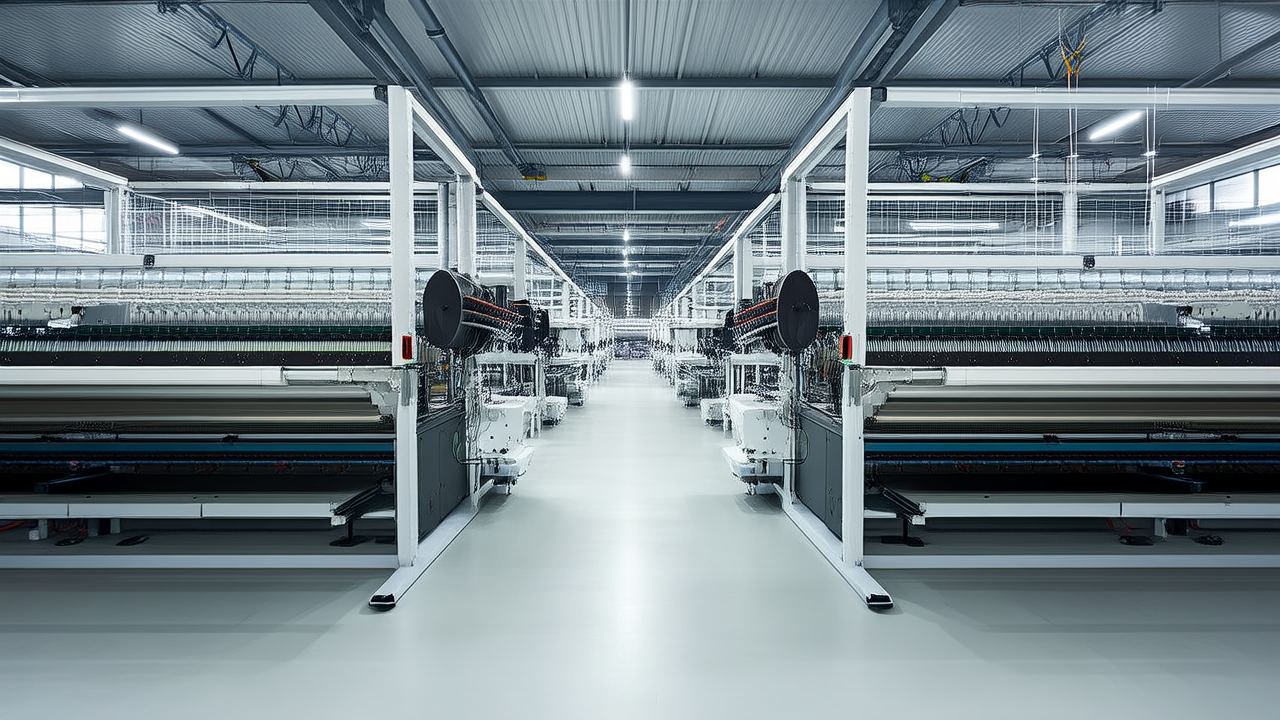
Italian textile machinery manufacturers started 2026 with a contraction in orders. The first-quarter order index fell 5% year-on-year, driven by a 7% decline in overseas orders, while the domestic market unexpectedly rose 21%. This divergence signals a structural shift in global textile investment patterns.
Weak Foreign Demand: A Global Investment Pause
The 7% drop in overseas orders was the main drag on the overall index. Italian machinery exports primarily target textile processing hubs in Asia, the Middle East, and North Africa. The decline suggests that mills in these regions are deliberately slowing capital expenditure. Slowing end-consumer apparel demand, combined with overcapacity and inventory pressure, has made factories cautious about new equipment purchases. For Chinese importers, this could mean greater price negotiation leverage on high-end Italian machinery, though delivery timelines may become less predictable.
Domestic Rebound: The Logic of Equipment Renewal
In stark contrast, Italian domestic orders surged 21%. This is not an isolated event but a continuation of the Italian textile industry's shift toward high-value production. Over the past three years, Italian fabric and apparel brands have accelerated digital and sustainable production line upgrades, creating rigid demand for efficient, energy-saving, and intelligent machinery. Additionally, the phased implementation of the EU Carbon Border Adjustment Mechanism (CBAM) is pushing Italian mills to replace equipment early to lower carbon intensity. For Chinese counterparts, this signals a key shift: equipment upgrades are moving from cost competition to compliance competition.
Implications for Buyers and Mills
The Italian order decline has mixed implications for China's textile industry. On one hand, weaker foreign demand may prompt Italian manufacturers to reallocate capacity to the domestic market, potentially reducing supply to China or raising prices. On the other hand, Chinese machinery makers gain a stronger competitive edge in cost-effectiveness and delivery speed. Current substitution rates for Chinese high-end machinery in weaving and dyeing exceed 30%, with technical gaps to Italian equipment narrowing to 3-5 years. For mills planning upgrades, this is a critical window to evaluate total cost of ownership between domestic and imported options.