
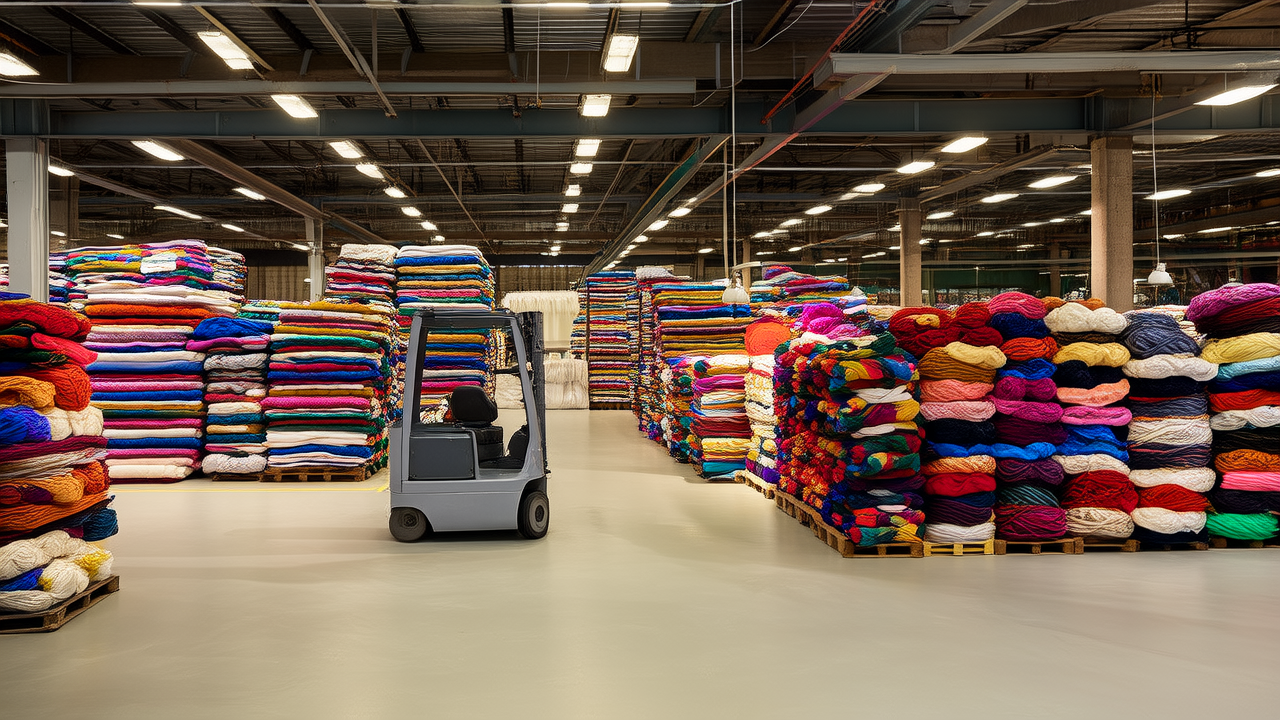
Since late April, the international cotton yarn market has experienced a notable price adjustment, with FOB, CNF, and CIF quotes rising consecutively. Simultaneously, major mills and branded suppliers in Vietnam, India, Pakistan, and other countries have significantly reduced their willingness to accept new forward orders, shifting to a wait-and-see stance. This price surge is not an isolated event but the result of multiple pressures on the global textile supply chain.
Driving Forces: A Triple Overlay
The core drivers of this round of price increases come from three aspects. First, on the raw material side, ICE cotton futures have risen sharply since late April, directly pushing up global cotton yarn costs. Second, major yarn-producing countries including India, Pakistan, Bangladesh, Indonesia, and Vietnam are all facing energy and power supply strains—Vietnamese mills have experienced production declines due to power rationing, while India and Pakistan are simultaneously grappling with energy shortages and rising electricity prices. Third, the supply of high-quality cotton in these countries is tightening, putting pressure on both the cost and quality of yarns using local cotton blends.
From an industrial chain perspective, rising raw material costs and supply contraction occur simultaneously, creating a typical "cost-push plus supply-reduction" price increase. Market sentiment is strongly bullish, with participants including traders and exporters reassessing their pricing strategies.
Regional Divergence: Vietnamese Yarn Relatively Milder, Pakistani Yarn Slow to Trade
Despite the overall upward trend, significant differences exist across origins. Vietnamese cotton yarn FOB and CNF quotes have risen less sharply than those from India and Bangladesh. Vietnam's product mix features a higher proportion of medium-to-high count open-end yarn and C20S-C40S ring-spun yarn, resulting in relatively better inquiry and shipment activity. This suggests that Vietnamese yarn maintains a degree of price competitiveness even in a rising market.
In contrast, Pakistani Sirospun yarn and ring-spun yarn below C40S have seen increasing arrivals at Chinese ports, but due to larger price increases, reliance on Pakistani local cotton, and significant quality variation among first-, second-, and third-tier mills, transaction volumes have been slow. Buyers are more cautious, weighing price against quality.
Demand Shifts: Returning Orders Boost Import Yarn Demand
Notably, since late February, the ongoing Middle East conflict has caused some low-to-mid-end, low-margin textile and apparel orders originally destined for Europe, the US, Japan, and South Korea to shift back to China's coastal regions. Trading companies in Foshan, Guangdong, report that these returning orders have supported demand for imported yarn. Combined with rising international cotton prices, oil, electricity, and freight costs, the consecutive price increases in offshore cotton yarn were widely expected.
This phenomenon reveals a deeper dynamic: when Southeast Asian yarn-producing countries face export capacity constraints due to energy and raw material bottlenecks, China—as the world's largest textile and apparel producer and consumer market—is acting as a buffer through both its domestic production and import channels. Rising import yarn prices may also create substitution demand for domestic Chinese yarn.
Practical Implications for Buyers and Foreign Trade Companies
For domestic cotton yarn buyers, the current offshore price increases combined with reduced supplier willingness to take orders mean that the short-term procurement window is narrowing. For urgent orders, accepting higher spot premiums may be necessary; if time permits, focusing on relatively less volatile origins like Vietnam or evaluating domestic yarn alternatives could be prudent.
For foreign trade companies, capacity constraints in Southeast Asian mills have dual implications: on one hand, export orders for cotton yarn and fabrics to Europe and the US may face fulfillment risks due to unstable supply; on the other hand, the partial order回流 to China may create opportunities for mid-to-high-end fabric and garment exports.