
While the global textile industry frets over cost fluctuations in Southeast Asian supply chains, a shipment of premium yarn from Ethiopia is already sailing toward Europe. This is not just another story of capacity relocation but evidence of Chinese textile firms climbing the value chain.
'Made in Africa' Enters the European High-End Supply Chain
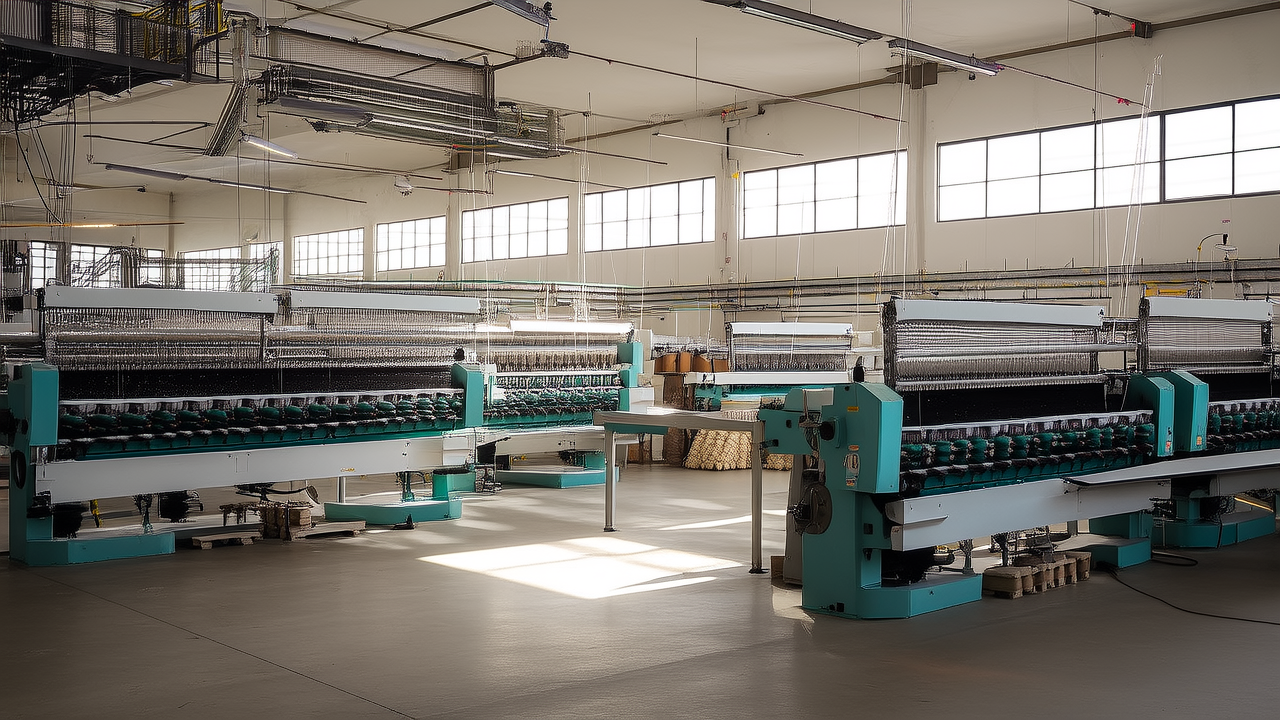
Wuxi No.1 Cotton's Ethiopian factory has dispatched its first batch of high-end yarn. The cargo left the plant, transited through Djibouti port, and is now bound for European markets. This logistics milestone means 'Made in Africa' yarn has gained access to European high-end clients. Public data shows the company's Q1 export sales and volume both grew year-on-year, reflecting resilience in overseas market development.
Notably, the factory does not rely on a single market. Besides the European breakthrough, its 80-count premium yarn has also achieved bulk supply to Pakistan. This multi-market approach reduces risk from regional demand fluctuations—for buyers, it means more stable supply chains.
Dual Drivers: Location Advantage and Industrial Chain Synergy
Ethiopia's proximity to Djibouti port offers shorter shipping routes to Europe than Southeast Asia. For high-count yarn, reduced transit time accelerates capital turnover and lowers inventory costs. Wuxi No.1 Cotton leverages this geographic advantage to position its Ethiopian plant as an export hub for Europe, Africa, and the Middle East.
More profoundly, the company is building a complete textile industrial chain overseas. By establishing stable supply-demand collaboration with local firms, it aims to replicate elements of China's textile cluster in Africa. This 'collective going global' model is crucial for lowering operational costs and improving local supporting capabilities.
Potential Impact on Industry Landscape
This event signals several key shifts. First, Chinese textile capacity going global has moved from labor-intensive OEM to high-tech products like high-count and super-high-count yarn. The Ethiopian factory's ability to produce 80-count yarn indicates its equipment and process management are approaching domestic advanced levels.
Second, Africa's role as an emerging textile region is upgrading. Previously associated with primary processing or low-count yarn, some African plants now compete in the global mid-to-high-end fabric supply chain.
For domestic peers, this is both pressure and reference. Mature overseas capacity may divert some orders originally placed in China, but successful cases offer a practical blueprint for leveraging African advantages to access European markets.