
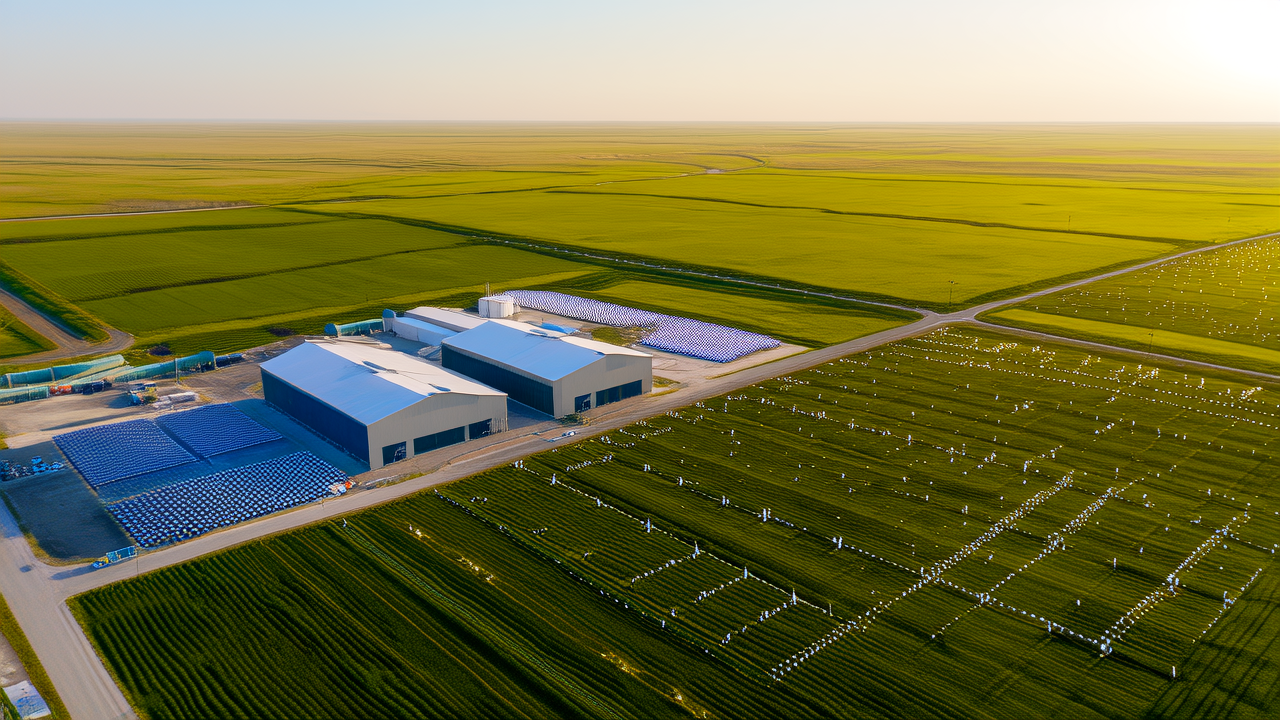
A $360 million investment is reshaping Central Asia's textile landscape from a raw material supplier into a full-chain manufacturing hub. Xinjiang Lihua Group's cotton textile cluster project in Kazakhstan goes beyond expanding cotton acreage; it targets the final stage of garment production.
Closing the Loop from Field to Factory
The project's core is a vertical integration from planting to manufacturing. Public plans show cotton cultivation in southern Kazakhstan will expand to 52,000 hectares, supported by Chinese water-saving drip irrigation and digital management technologies. This boosts yield per hectare and resource efficiency, not just land area.
Two cotton processing plants already operational mark only the first phase. Subsequent lines for non-woven fabrics, home textiles, and garments represent the project's true value. For a Kazakhstan long dependent on imported textile products, this means the substantive start of domestic substitution.
Dual Spillovers in Jobs and Technology
The first phase creates 4,000 direct jobs, but the technology spillover is more significant. President Tokayev's emphasis on local workforce training and AI application reveals a demand for industrial upgrading that goes beyond investment amounts.
For Chinese cotton textile firms, Central Asia is not just a destination for capacity relocation but a testing ground for technology exports. As domestic labor and land costs rise, packaging digital management systems and water-saving farming techniques for overseas deployment offers higher bargaining power and long-term client stickiness than exporting fabric or machinery alone.
Geo-Economic Industrial Anchor
Xinjiang Lihua's move essentially converts Xinjiang's geographic advantage into a supply chain advantage. Southern Kazakhstan shares cotton varieties and farming practices with Xinjiang, reducing the adaptation cost for technology transfer. The project also helps Kazakhstan reduce reliance on imported textiles and boost local market competitiveness, aligning with the deep logic of bilateral industrial complementarity.
For buyers, this shift means Central Asia's supply capability is transitioning from 'selling raw materials' to 'selling semi-finished and finished goods.' Over the next three years, grey fabrics, home textiles, and basic garments from Kazakhstan may enter neighboring markets with significant cost advantages.