
An institution that has served the textile industry for 60 years naturally mirrors the sector’s transformation from a planned economy to a global supply chain powerhouse. In August 2024, the China Textile Information Center (CTIC) held a symposium in Beijing to mark its 60th anniversary. This milestone offers a lens to examine how a former state-run intelligence unit evolved into a market-oriented service platform.
From Intelligence Unit to Service Ecosystem
The year 1999 was a critical turning point. That year, the former China National Textile Information Center merged with the China Textile Science and Technology Information Institute. Later, the Information Network Center and the Statistics Center of the former State Textile Industry Bureau were also integrated. This restructuring combined information collection, technical research, and statistical analysis into one entity.
Before the merger, the institute had limited resources. In 1993, it took five years to move from poverty to self-sufficiency. This trajectory mirrors the broader textile industry’s shift from scarcity to global dominance.
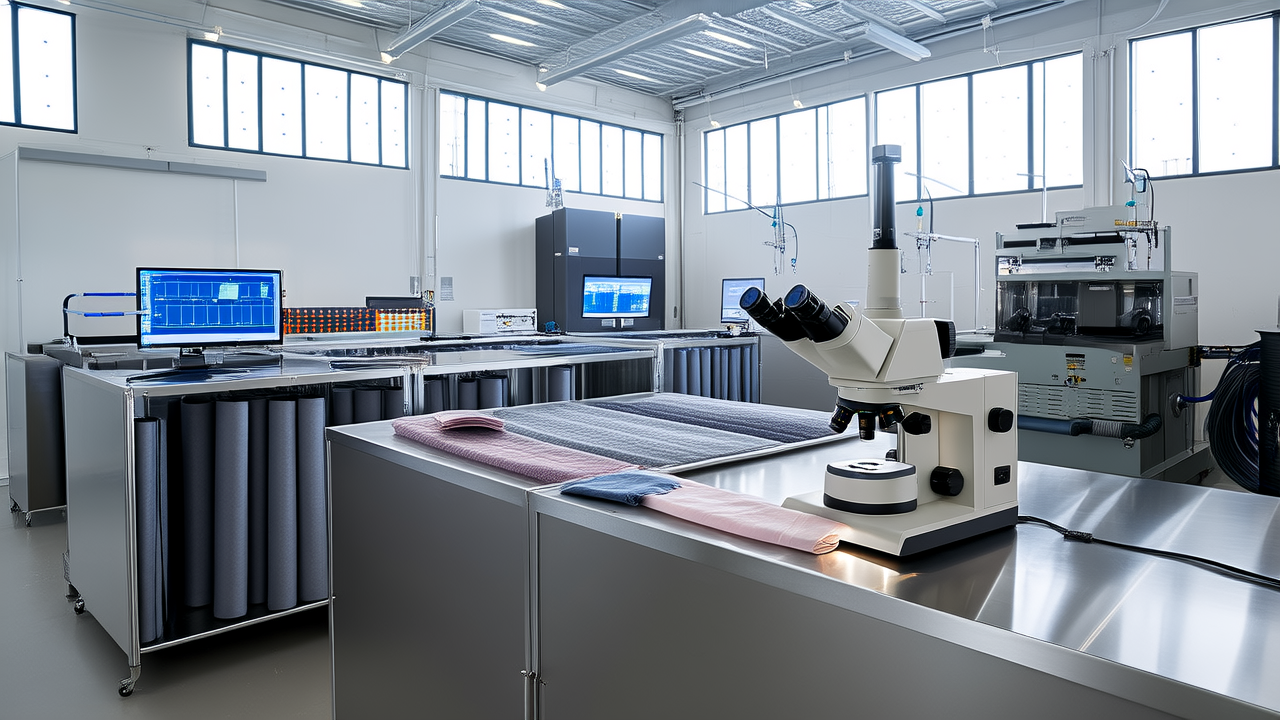
Today, CTIC’s service chain covers product development, textile testing, trade promotion, and industrial base construction. This closed-loop structure is rare among industry service providers. For buyers, it means one-stop access to everything from fabric development to export compliance consulting.
The Hard Value of an Industry Think Tank
At the symposium, former leaders emphasized one key factor: the team. CTIC was described as a “destroyer” – a unit willing to go deep into industrial clusters to conduct research and services. This approach gives it first-hand sensitivity to dynamics in clusters like Keqiao, Shengze, and Humen.
For exporters, CTIC’s value lies in two areas. First, standards and testing. As European and American regulations tighten, CTIC’s testing arm can verify compliance with REACH, OEKO-TEX, and other standards – critical for avoiding shipment rejections. Second, trend forecasting. Its annual fabric trend reports are used by many brand sourcing departments as development references.
Crucially, CTIC remains a scientific research institution. The symposium stressed that “research is the foundation,” meaning its technical services carry academic credibility, not just commercial advice.
Dual Focus on Industrial Clusters and Globalization
The guest list at the symposium revealed CTIC’s two strategic anchors. First, industrial clusters: government representatives from Keqiao, Shengze, and Humen attended. These regions account for a significant share of China’s textile exports. CTIC collaborates with them through joint exhibitions and technical matchmaking events. Second, globalization: corporate representatives from Dongfang International, Luthai Textile, and Ruyi Group were present. These companies are key global supply chain nodes, and CTIC extends its services overseas through them.
Notably, the head of the Xinjiang Cotton Industry Development Leading Group Office also attended. As the industry faces supply chain traceability pressures, CTIC’s role in cotton standards and quality testing may strengthen.