
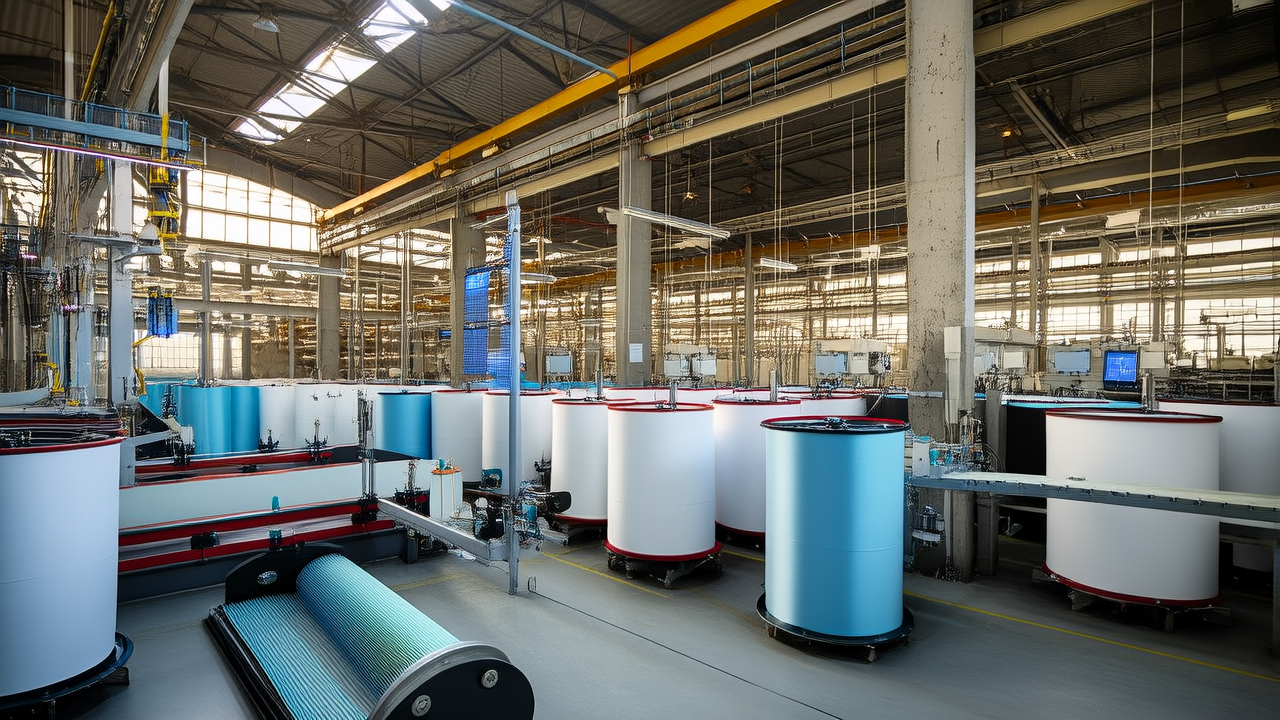
The digital transformation of the textile and apparel industry is reaching a watershed moment. In the latest 2025 Industrial Internet 'Chain-Network Synergy' typical cases announced by the Ministry of Industry and Information Technology, four projects from the textile sector were selected, covering AI vertical large models, 5G smart manufacturing, full-chain digital collaboration, and intelligent apparel services. This is not just a technological victory but a redefinition of supply chain collaboration logic.
Background
The four selected cases target the most pressing pain points in textile digitalization. The AI vertical large model for the full textile chain aims to bridge knowledge gaps from design to quality inspection. The 5G-based smart manufacturing solution addresses low-latency needs for equipment interconnection and remote control. The full-chain digital collaboration platform focuses on data sharing across the supply chain, while the intelligent apparel service solution extends to personalized customization and after-sales management.
The MIIT clearly defined two types of benchmarks: technology-leading cases require international advanced levels, while application-popularization cases emphasize economic benefits and scalability. Textile industry projects were selected in both categories, indicating both technological depth and potential for SME adoption. Notably, the evaluation focused on scenarios like production unit simulation, flexible manufacturing, and 3D virtual fitting, which are areas that have seen the most investment but the least implementation in recent years.
Industry Impact
The demonstration effect will first ripple through industrial clusters. Traditional textile hubs like Keqiao, Shengze, and Nantong have long struggled with weak digital foundations among SMEs and fragmented upgrades. The 'chain-network synergy' model emphasizes using the industrial internet to connect upstream and downstream resources, meaning previously isolated MES and ERP systems will evolve toward platform-based ecosystems. For buyers, the direct benefit of full-chain digitalization is quality traceability and inventory optimization—when factory, fabric supplier, and brand data are real-time, delays and overstock can be alleviated.
Deeper changes lie in production methods. 5G-enabled equipment coordination and process compliance validation are shifting textile workshops from 'man-watching-machine' to 'machine-connecting-machine.' A medium-sized dyeing plant adopting such solutions could boost its first-pass dyeing success rate from 70% to over 85%, directly reducing rework costs and wastewater. China Customs data shows textile and apparel exports still grew in 2024, but profit margins are squeezed by rising costs. Efficiency gains from digital collaboration are a key variable for maintaining export competitiveness.
Practical Recommendations
For Buyers - Prioritize suppliers with full-chain digital capabilities, especially those connected to industrial internet platforms. Their on-time delivery rates are typically 15%-20% above industry average. - Request AI-based quality traceability records during inquiries to reduce disputes over color differences or defects. - Use 3D virtual fitting for remote sample selection, which can cut sampling costs by about 30%, ideal for small-batch quick-response orders.
For Foreign Trade Companies - Add 5G + industrial internet capability as a new factory audit criterion. EU clients increasingly demand supply chain transparency, and real-time data sharing will become a prerequisite. - Collaborate with platform-based digital service providers rather than building proprietary systems for faster data integration with overseas buyers, avoiding duplicate investment. - Monitor the MIIT's subsequent 'chain-network synergy' case lists and prioritize long-term partnerships with selected companies, which often enjoy policy support and technological stability.
The textile industry's digital transformation has moved from 'whether to do it' to 'how to do it effectively.' The selection of four cases is both recognition for pioneers and a replicable roadmap for the whole sector. When AI large models begin to understand the relationship between yarn tension and fabric drape, and when 5G signals shuttle between looms in real time, this traditional industry is using the hardest tech to answer an old question: how to find a new balance between cost and efficiency.