
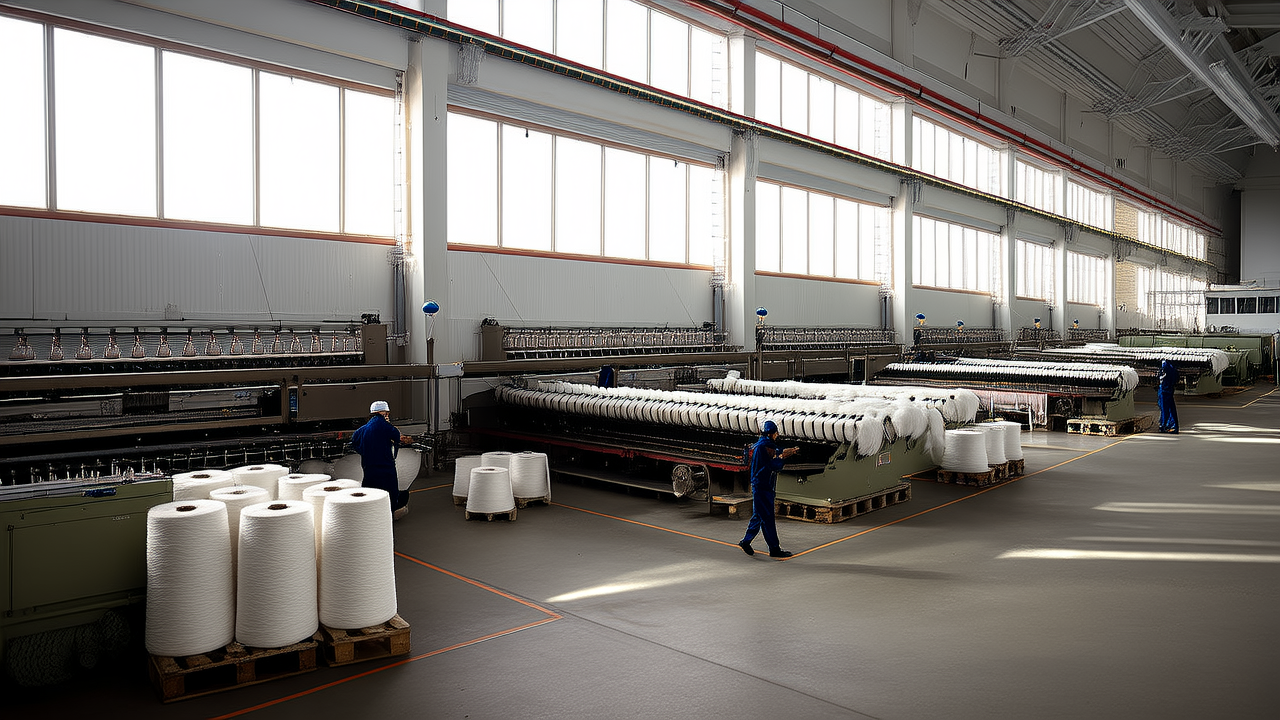
In the ongoing restructuring of the global textile supply chain, a signal from the Horn of Africa is drawing industry attention. The first batch of high-end yarn from Wuxi No.1 Cotton's Ethiopian factory has been shipped via Djibouti port directly to European markets. This marks the entry of 'Made in Africa' textiles into the high-end European supply chain, moving beyond low-end OEM work.
Location Advantage Translates into Supply Chain Efficiency
The choice of Ethiopia is no accident. The country sits at the crossroads of Europe, Africa, and the Middle East, with Djibouti being one of East Africa's key maritime hubs. Transit time from the factory to European ports is often shorter than from coastal Chinese cities. For European high-end fabric and apparel brands, shorter delivery cycles mean lower inventory risk—a geographic dividend now being precisely realized.
The factory has steadily expanded its high-count yarn capacity, shifting from standard yarns to higher-value categories like 80-count and above. In Q1 this year, the company's export sales and volume both achieved double-digit year-on-year growth, directly validating the competitiveness of its premium product line in international markets.
Ripple Effects of High-End Market Breakthrough
The European direct sale is just one piece of Wuxi No.1 Cotton's global puzzle. Simultaneously, its 80-count high-end yarn has begun bulk supply to Pakistan. Pakistan is a major textile processing and garment export hub, where demand for high-count yarn directly supports its premium fabric production. Securing both European and South Asian markets simultaneously proves the factory's product quality and cost control have passed rigorous validation.
A deeper industry implication is that this 'Made in Africa + Direct Global Sales' model is reshaping traditional trade routes. Previously, Chinese textile companies going global often relied on third-party traders or overseas warehouses. Wuxi No.1 Cotton's approach of direct end-customer engagement bypasses intermediaries, offering better profit margins and customer stickiness.
Industrial Cluster Synergy and Capacity Spillover
The success of a single factory is now catalyzing broader industrial linkages. Wuxi No.1 Cotton has taken the lead in building a complete overseas textile and garment supply chain, establishing stable supply-demand collaboration with local companies. This means the Ethiopian factory is not just a yarn production node but also a hub connecting upstream cotton procurement, downstream fabric weaving, and garment manufacturing.
For domestic textile clusters, this capacity spillover is not 'hollowing out' but rather creating a backup supply source closer to end markets. When trade barriers or logistics disruptions affect direct exports from China, the African factory can serve as an alternative source, enhancing the entire supply chain's resilience.
Practical Recommendations
For Buyers - Evaluate cost-benefit of African high-count yarn: Similar quality may offer 5%-10% price advantage due to logistics and tariff benefits. - Lock in capacity early: High-count yarn production cycles are long; consider quarterly or semi-annual framework agreements to avoid supply gaps. - Upgrade audit standards: Environmental and labor compliance varies across African factories; require third-party certifications (e.g., OEKO-TEX, GRS) before procurement.
For Foreign Trade Companies - Set up African transit hubs: Leverage AGOA benefits in Ethiopia, Kenya, etc., by relocating some finishing processes forward. - Shift product mix toward premium: Low-count yarn faces intense competition from India and Vietnam; 80-count and above is the profit moat. - Build local service teams: African customers demand fast after-sales response; consider setting up offices in Djibouti or Addis Ababa.
For the entire textile industry, Wuxi No.1 Cotton's European debut from its Ethiopian factory is more than a corporate milestone. It signals a new trend: Chinese textile globalization is evolving from 'product export' to a dual-engine model of 'capacity export plus brand export.'