
The narrative of China's cotton textile industry going global is shifting from 'selling products' to 'building ecosystems'.
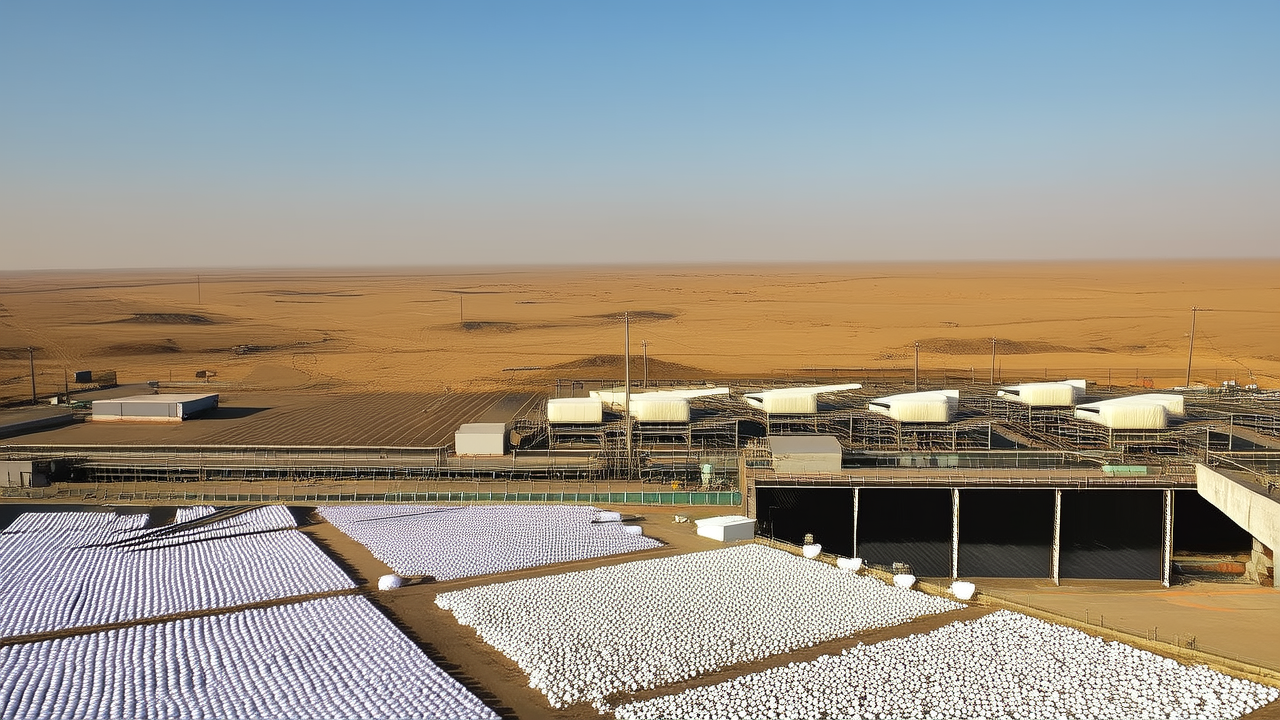
Xinjiang Lihua Group's $360 million full-chain cotton textile project in Kazakhstan has already put its first two cotton processing plants into operation, with plans to extend into non-woven fabrics, home textiles, and garment manufacturing. This is not a simple capacity transfer but a vertical integration play centered on Central Asian cotton resources and geopolitical dividends.
The Dual Pull of Geography and Resources
Southern Kazakhstan is a traditional cotton-growing region but has long suffered from weak processing capacity and a fragmented industrial chain. Most local cotton is exported as raw material at low prices, while finished fabrics and garments are imported at high costs. This 'resource outflow, value trap' is exactly the point of entry for Xinjiang Lihua.
The project plans to expand cultivation to 52,000 hectares and explicitly introduces digital management and drip irrigation technology. This means Chinese companies are not just 'growing cotton' but also exporting agricultural technology and management standards. For Kazakhstan, it is a springboard from agricultural upgrading to manufacturing rise; for the Chinese side, it is a long-term play to lock in premium raw material supply and circumvent trade barriers in Central Asia.
From Gap-Filling to Chain-Strengthening: The Logic of Capacity Spillover
The cooperation has received high-level attention from Kazakh President Kassym-Jomart Tokayev, who personally met with company executives and emphasized skills training and intelligent technology application. Government backing reduces policy risks and clears obstacles for subsequent capacity deployment.
The first phase directly creates 4,000 jobs, providing a significant boost to local industrial upgrading and livelihoods. But the deeper significance lies in the fact that China's cotton textile industry is under dual pressure from rising domestic land costs and tightening environmental constraints. Transferring some planting and primary processing to Central Asia can maintain supply chain advantages while leveraging local resources to lower overall costs.
Practical Impact on Buyers and Foreign Trade Firms
This project will reshape the cotton textile supply pattern in Central Asia. Previously, buyers could only purchase raw cotton in Kazakhstan; in the future, they may source greige fabrics, home textiles, or even garments directly. This means:
- The quality and delivery reliability of Central Asian textiles will gradually improve, making it an alternative sourcing base beyond Southeast Asia.
- Overseas plants of Chinese cotton textile companies will gain stronger cost competitiveness, especially by processing cotton locally, saving significant logistics and tariff expenses.
- For local Xinjiang cotton mills, the Central Asian layout will divert some capacity but also force domestic factories to upgrade toward high-count, high-density, and functional fabrics.